
[New Model Launch] On March 10, the 2025 Tank 300 officially launched, offering four trim levels with a price range of $29,382-$36,735. The new model retains the current design, with a focus on interior upgrades. The entire powertrain lineup has been enhanced and expanded, now including a diesel engine and a Hi4-T variant, with all models equipped with a 9-speed automatic transmission.
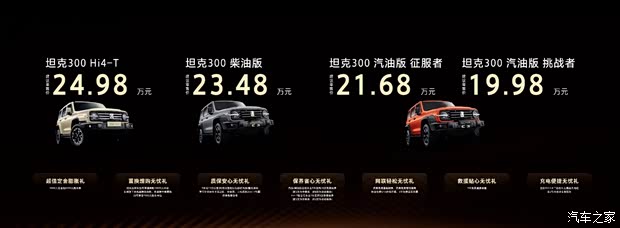
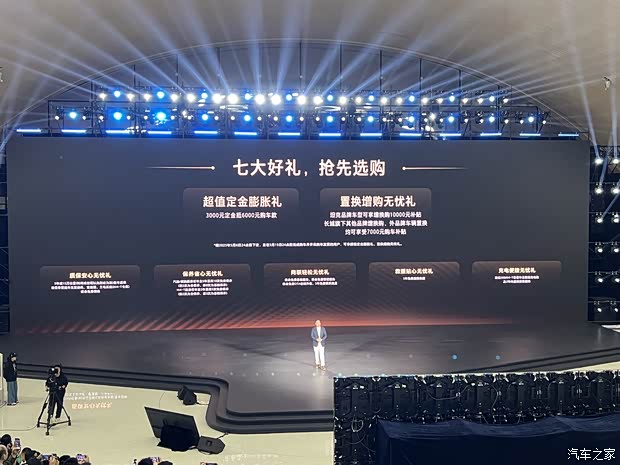
During the launch period, seven major purchase benefits are offered. The value deposit expansion offer includes a $441 deposit that counts as $882 toward the vehicle price. Tank brand vehicle owners can enjoy a trade-in subsidy of $1,471, while trade-ins from other Great Wall brands or vehicle swaps from external brands are eligible for a $1,029 purchase subsidy. Additionally, five major gifts are provided, including warranty, maintenance, and rescue services.
● New Vehicle Features
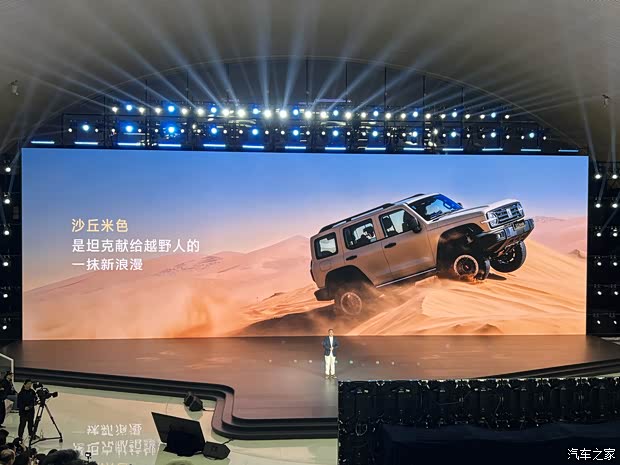
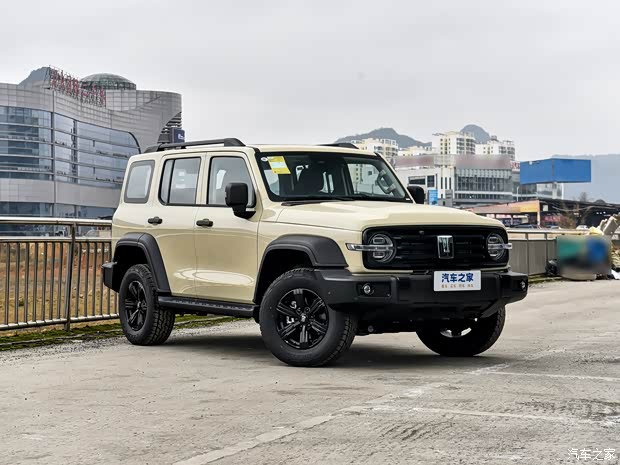
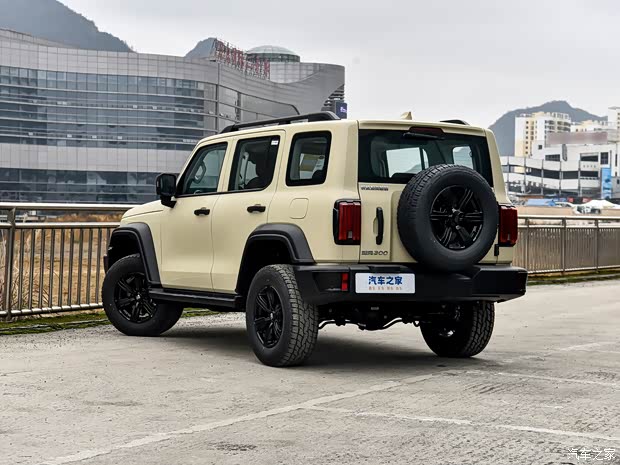

In terms of exterior, the 2025 Tank 300 adds a new color called "Sand Dune Beige," while retaining the current model's design. The classic round headlights are preserved, continuing the vintage, rugged style. The new model includes three powertrain versions: gasoline, diesel, and Hi4-T plug-in hybrid. The Hi4-T version, which was previously sold in limited quantities, will now be available without restrictions.
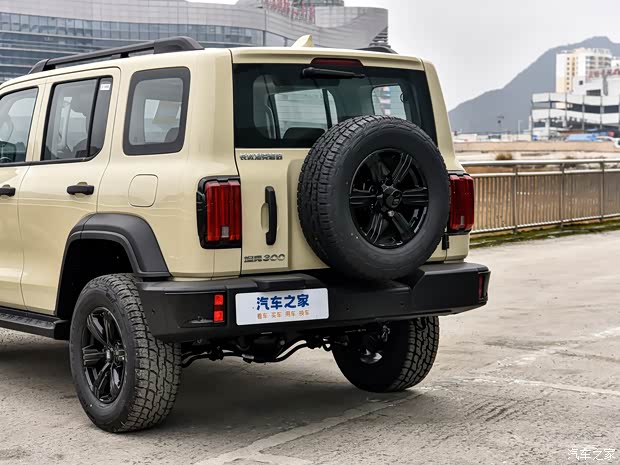
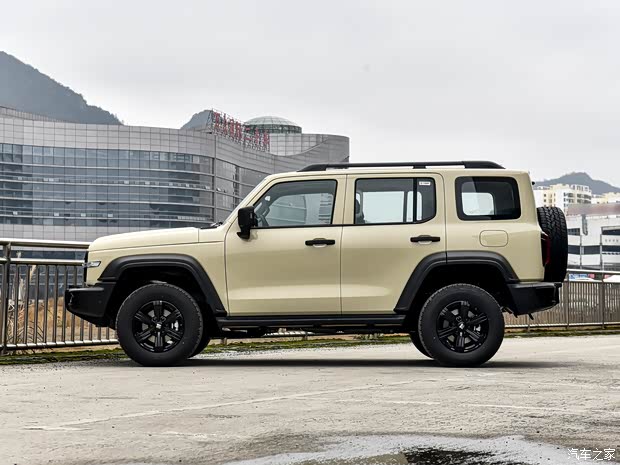
The 2025 Tank 300 shows almost no changes in exterior appearance. A noticeable difference is the removal of the rear-mounted spare tire cover. The front upper control arms have been changed from cast iron to aluminum alloy, which helps improve handling. For the Hi4-T version, wheel arches and side mirrors can be optionally painted in body color, and the newly designed wheel styles better suit urban trends. Dimensions are 4760mm in length, 1930mm in width, and 1903mm in height, with a wheelbase of 2750mm, positioning it as a compact SUV.
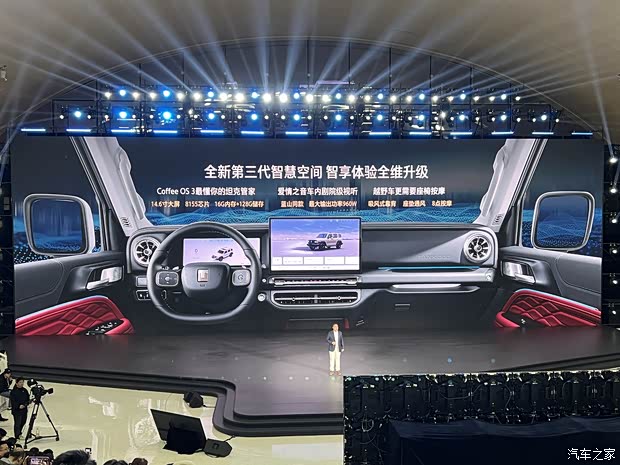
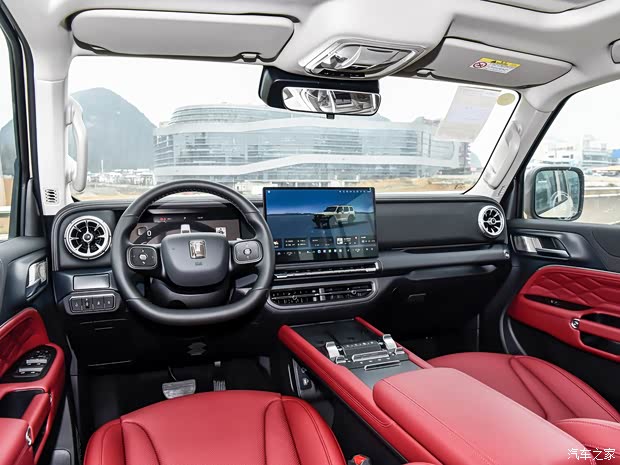
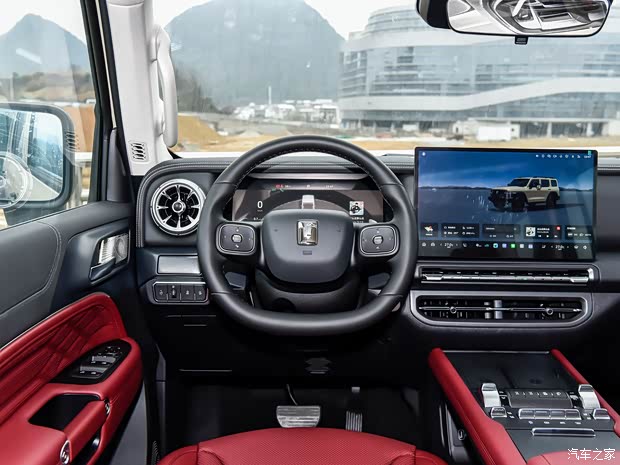
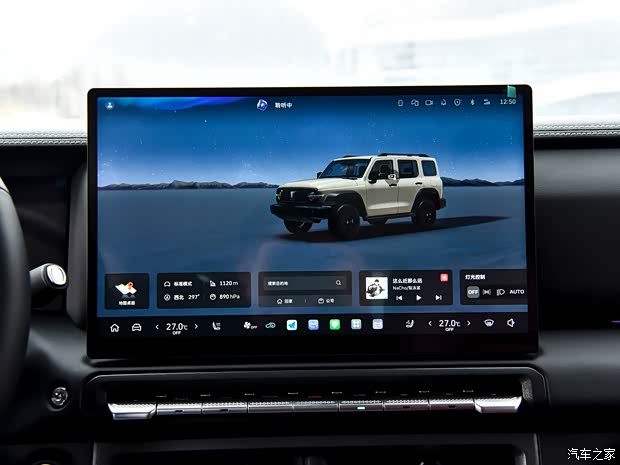
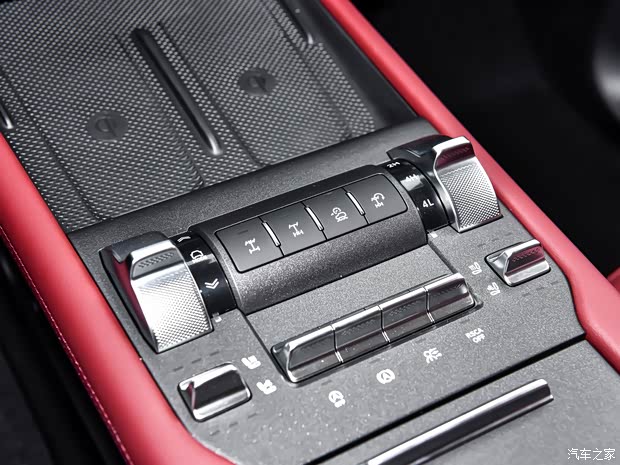
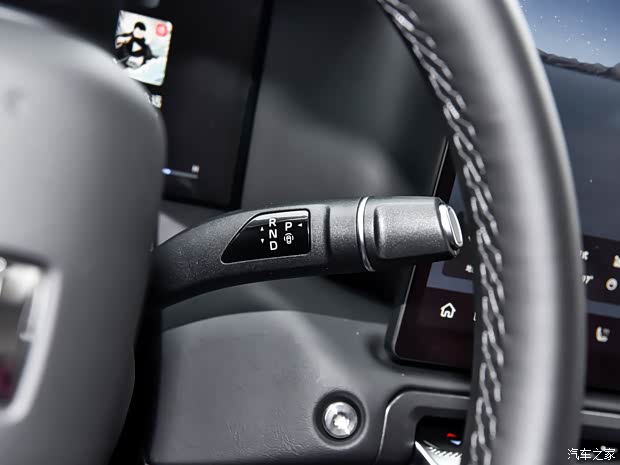
The interior is a key upgrade for the 2025 Tank 300. The new model adopts a fresh minimalist design. The new two-spoke steering wheel features a flat-bottom design, offering better ergonomics compared to the old version. The central gear lever on the center console has been removed in favor of a column shifter, freeing up more space below. A 50W wireless charging panel has been added, and related functional physical buttons, such as those for drive modes and four-wheel-drive control, have been redesigned for improved convenience. The infotainment system introduces Coffee OS 3, powered by an 8155 chip for smoother performance, and supports HiCar and ICCOA smartphone connectivity. The front seats are electrically adjustable, with the driver's seat featuring heating, ventilation, and massage functions.
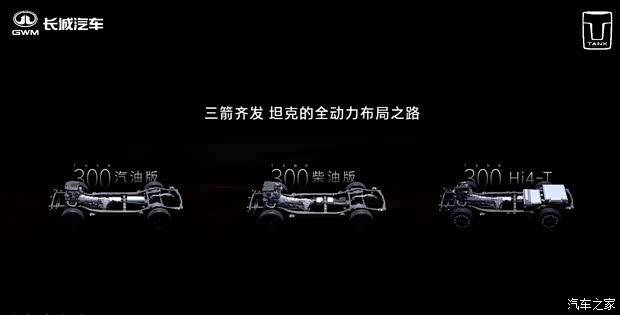
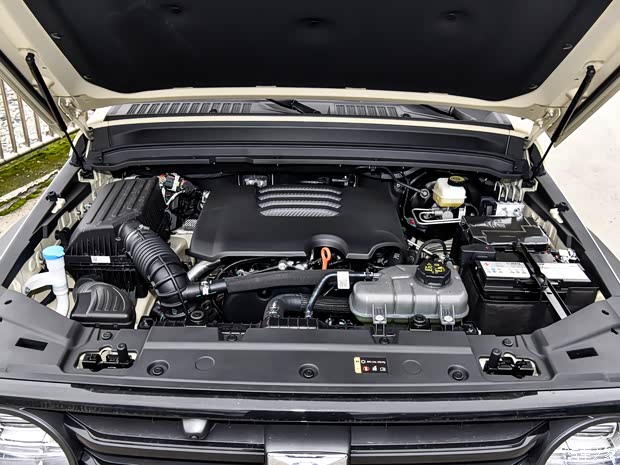
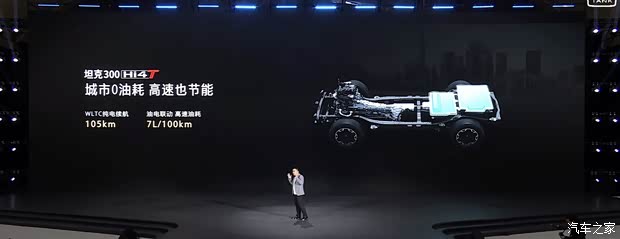
In terms of powertrain, the gasoline version continues with a 2.0L turbocharged engine, producing a maximum power of 227 horsepower (167 kW) and a maximum torque of 387 Nm. The diesel version is equipped with a 2.4L turbocharged engine, delivering a maximum power of 186 horsepower (137 kW). The Hi4-T variant combines a 2.0L engine with a P2 motor plug-in hybrid system, offering a combined power output of 300 kW and a combined torque of 750 Nm. It provides a WLTC pure-electric range of 105 km and a fuel consumption of 8.8 L/100 km when the battery is depleted. All models are equipped with a 9-speed automatic transmission.

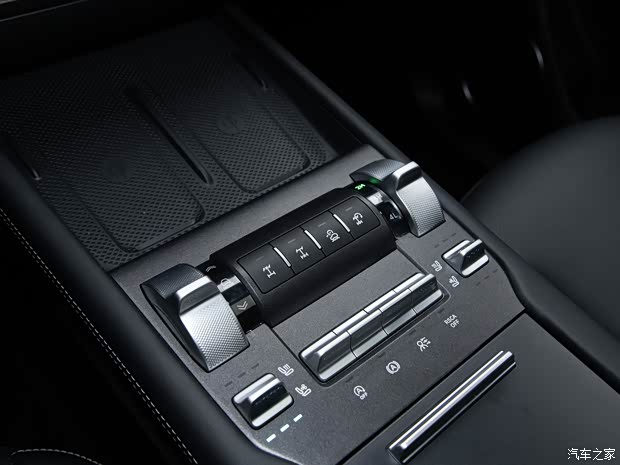
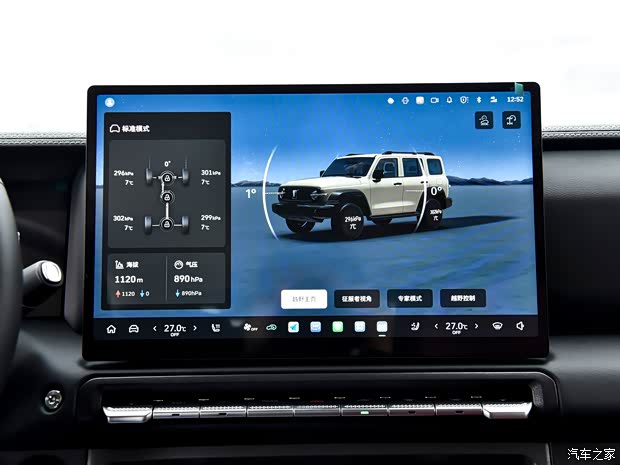
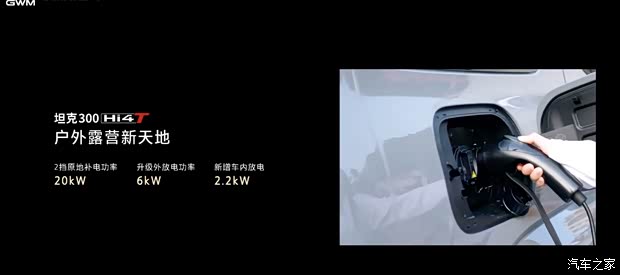
For four-wheel drive, the 2025 lineup all features a part-time 4WD system. The low-range torque multiplication ratio has been increased from 2.48 in the old model to 2.64, enhancing low-speed climbing capability. Higher-end trims also include front and rear differential locks and support crawl mode and tank turn. The MTS all-terrain control system supports 10 driving modes. Additionally, the new model upgrades the external power discharge capacity to 6 kW and adds a 2.2 kW internal discharge function.
● Competitor Models
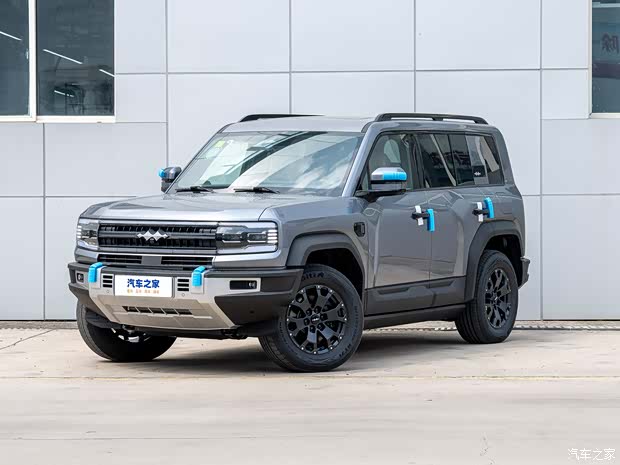
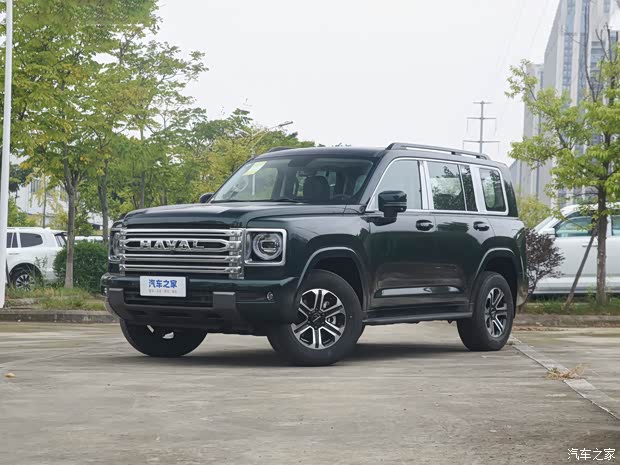
After the launch of the 2025 Tank 300, its biggest competitor is undoubtedly the Fangchengbao Bao 5. Following a round of official price reductions, the Bao 5's pricing now partially overlaps with the Tank 300. With similar positioning and dimensions, both are rugged SUVs, and the Bao 5 also performs well in terms of intelligence and powertrain. However, the four-wheel-drive systems differ significantly: the Bao 5 uses a decoupling 4WD system, while the Tank 300 employs a non-decoupling system. For professional off-road enthusiasts, the Tank's adherence to traditional rugged design might offer an advantage. In this price range, Great Wall's own Haval H9 could also compete with the Tank 300, excelling in areas like space practicality, off-road capability, and user reputation. But with the addition of the Hi4-T system in the 2025 Tank 300, stronger performance and lower operating costs are likely to be more appealing to most users.
● Editor's Review
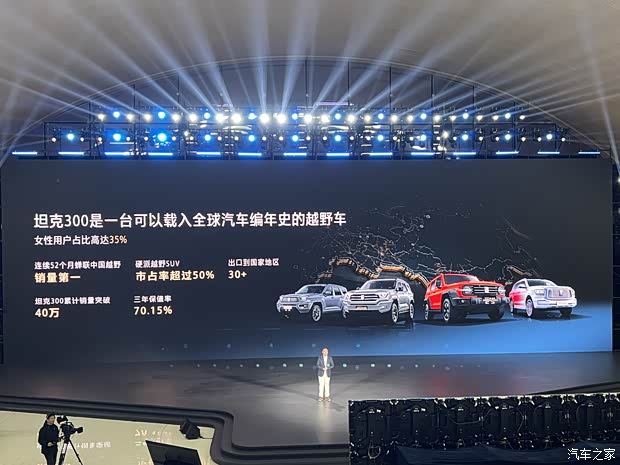
As of January 2025, the Tank 300 has achieved cumulative sales exceeding 400,000 units, capturing nearly 50% market share in China's off-road SUV segment. This performance fully demonstrates that the Tank 300 is a highly successful product. The launch of the 2025 model can be said to further enhance the product strength of the Tank 300. Firstly, the powertrain offers users diverse choices, with the addition of diesel and plug-in hybrid powertrains perfectly meeting the needs of different user groups. Then, the interior upgrades, featuring a more intelligent cabin, have significantly improved the driving experience. The Tank 300 has taken another step towards perfection. Can it maintain its position as the sales champion in China's off-road SUV market over the next five or ten years? We'll wait and see.