
On April 11, a Xiaomi SU7 caught fire on the roadside in Hefei, ultimately burning down to a shell. This marks another publicly reported fire incident since Xiaomi Auto began mass production and delivery in 2025.
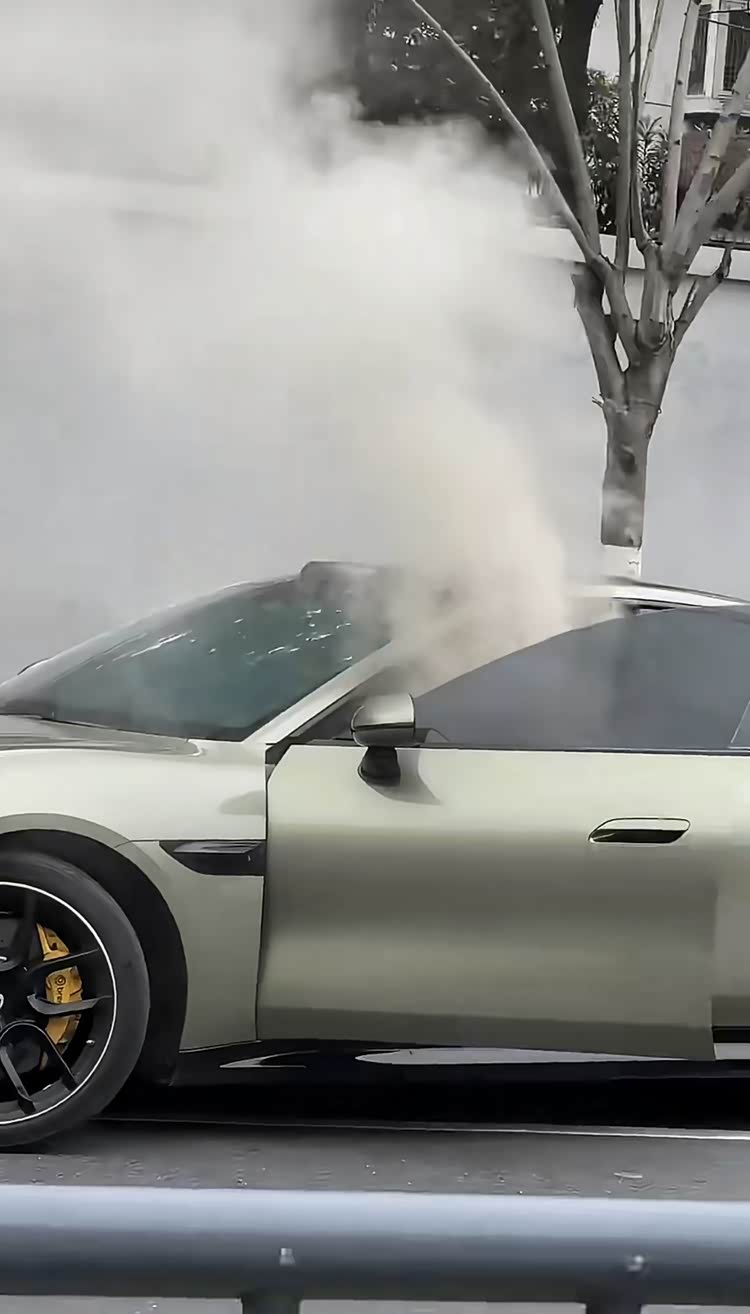
I. Incident Overview
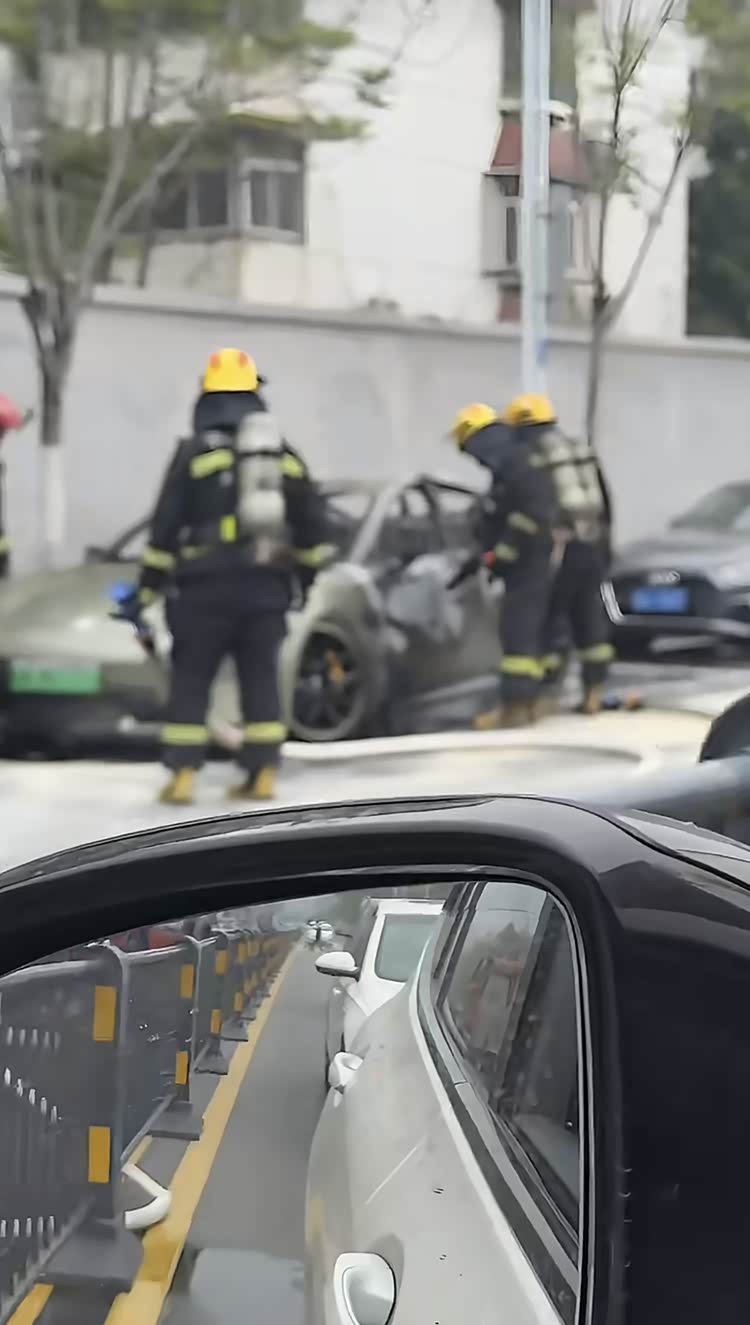
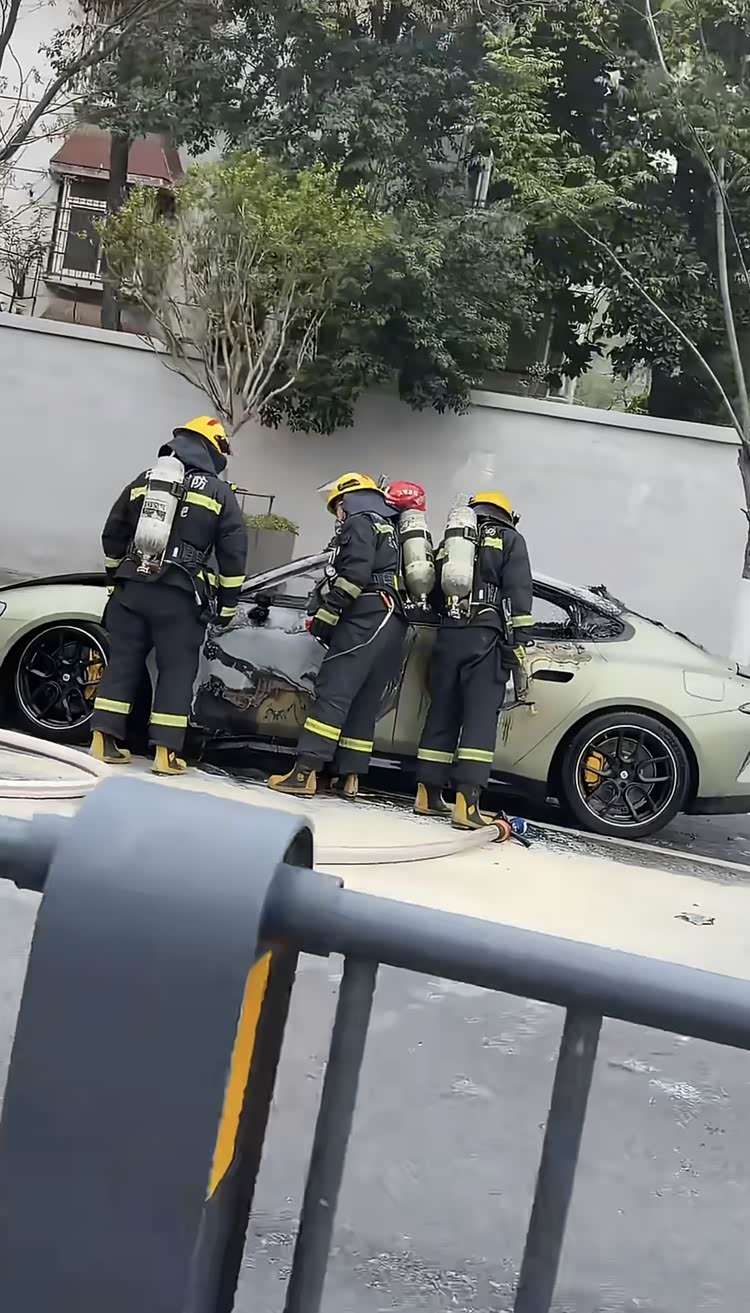
On the morning of April 11, a Xiaomi SU7 parked on the roadside in Hefei suddenly caught fire. According to eyewitness accounts, smoke began emanating from inside the vehicle, followed by rapid spread of open flames, with intense fire and accompanying explosions. Firefighters arrived promptly after receiving the alarm and extinguished the blaze, with no casualties reported at the scene.
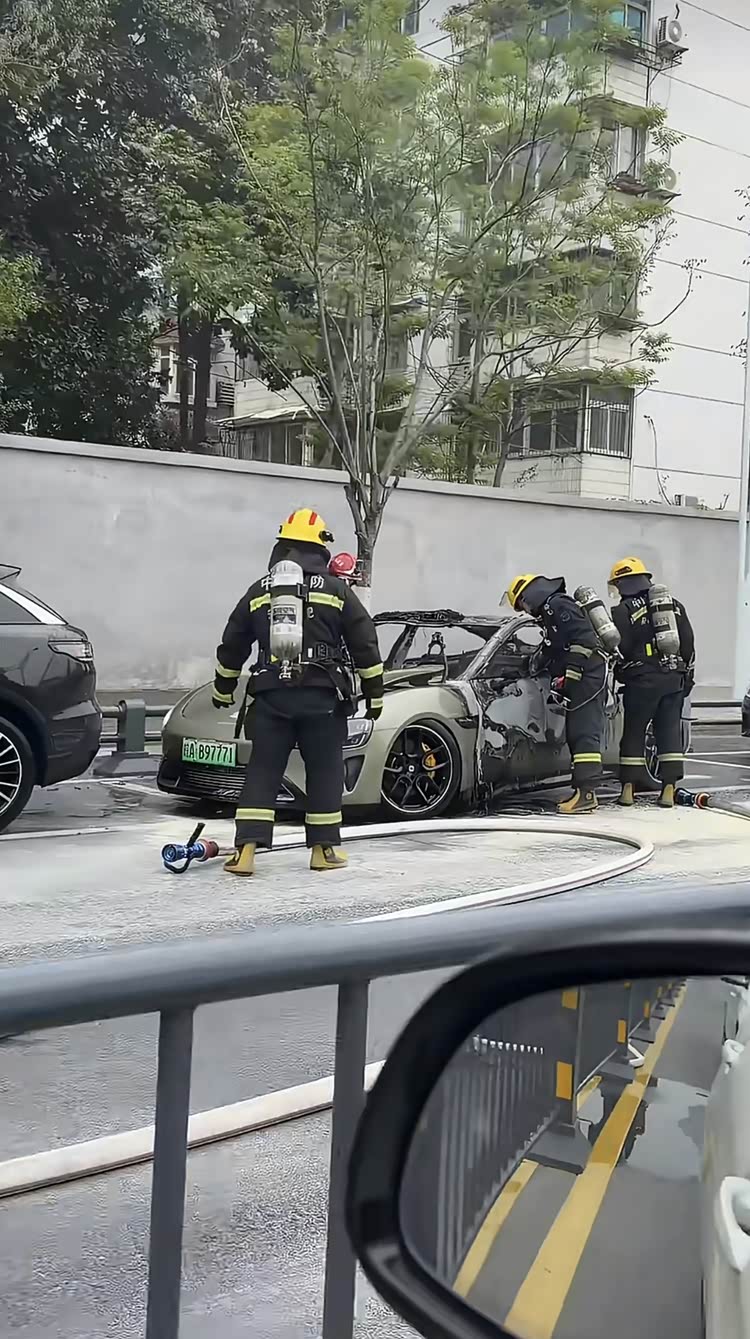
Sources familiar with the matter indicate that the vehicle was a rental car, having just completed charging before the fire, with smoke appearing shortly after the charging cable was disconnected. The vehicle was ultimately destroyed, leaving only the frame.
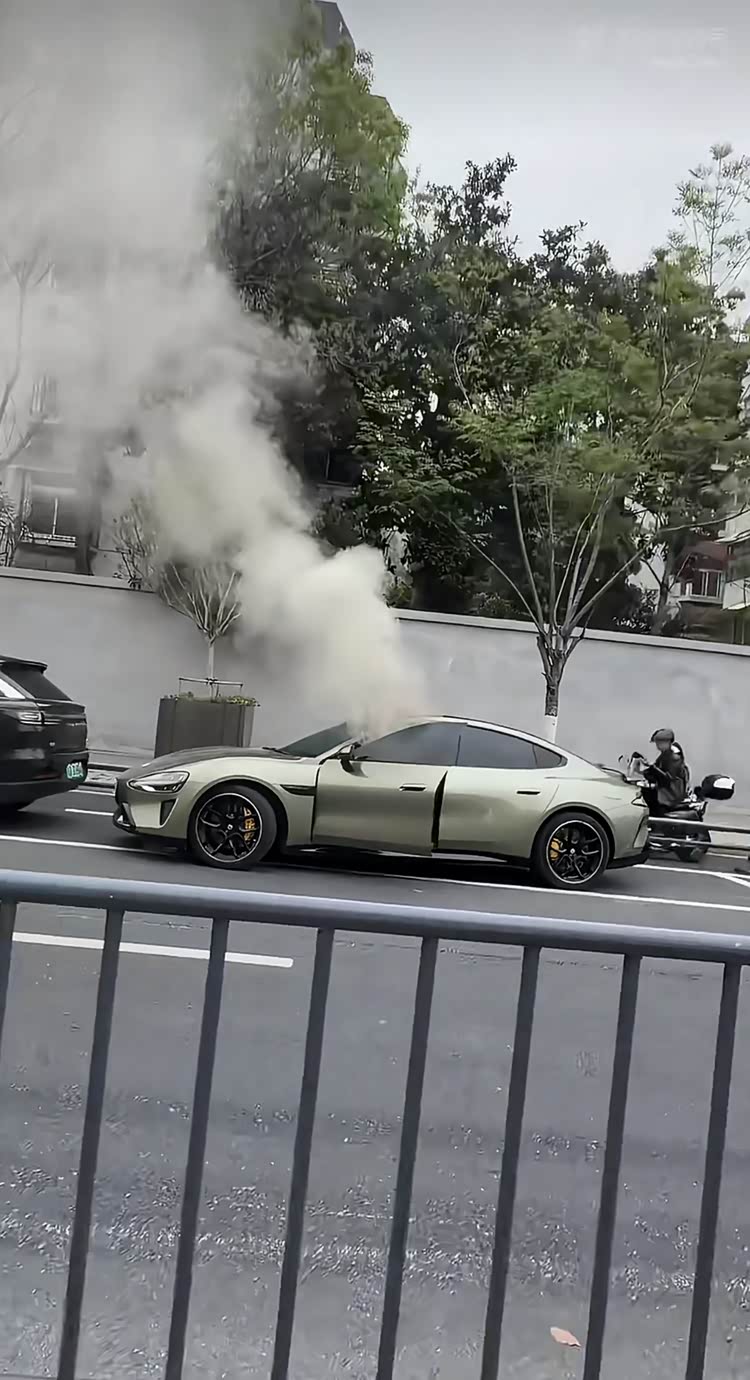
II. Fire Cause: Cabin Fire, Battery Unaffected
As of now, official authorities have not released formal investigation conclusions regarding the cause of the fire.
However, based on analysis of on-site footage, the fire originated inside the passenger cabin, not from the underbody battery location. Observations note that even though the vehicle was burned out, all four wheel rims remained intact, and the headlights stayed illuminated, which is considered strong evidence that the battery pack was not involved in the combustion. The vehicle's frame also remained intact, with no signs of fire on the battery section.
Fire department investigations are ongoing, with specific causes awaiting official announcement.
III. Xiaomi Auto Has Not Yet Responded
As of April 12, Xiaomi Auto has not issued an official response regarding the Hefei fire incident.
It is noteworthy that Xiaomi Auto is currently in a period of intensive product activity. On April 2, Lei Jun showcased the battery safety performance of the new-generation SU7 via livestream, including passing national standard collision tests at 1.44 times the requirement and a 55°C high-temperature full-charge nail penetration challenge, emphasizing "zero battery leakage, no fire."
IV. Previous Fire Incidents: Most Ruled Out Battery Self-Ignition
Reviewing past fire incidents involving the Xiaomi SU7, most final investigation results were unrelated to "battery self-ignition":
February 2026, Yingkou, Liaoning: A Xiaomi SU7's driver's seat emitted smoke and caught fire, with fire authorities attributing it to "an ignition source left inside the vehicle"—a lighter stuck in the seat rail, which ignited when the seat was moved and compressed, setting the interior on fire. The online-spread "fireworks" phenomenon was actually caused by airbags detonating due to high temperatures, unrelated to the battery.
November 2025, Changzhou: The owner brought an unfixed lithium battery into the vehicle, which short-circuited and caused a fire.
October 2025, Chengdu: A Xiaomi SU7 Ultra caught fire after a high-speed collision. The investigation report indicated that the low-voltage system lost power after the crash, preventing the door handles from deploying, and the driver died. However, the vehicle was traveling at 167 km/h before the collision, and the driver was suspected of drunk driving.
Additionally, fire incidents in Hainan and Henan were also ruled out as battery failures, with causes involving maintenance operation issues or damage to other components due to collisions. To date, no Xiaomi SU7 fire incident has been officially classified as "battery self-ignition."
Industry statistics show that since Xiaomi's mass production and delivery began, publicly recorded fire incidents have exceeded 10 in total. However, the causes of these incidents are complex—severe collisions can lead to thermal runaway in the power battery due to external impact, while some cases involve external ignition sources, improper driving, or unofficial modifications. Nevertheless, for the average consumer, frequent fire reports have created the impression that "the Xiaomi SU7 has caught fire again."
V. Existing Safety Hazards and Regulatory Follow-up
Since its launch, the Xiaomi SU7 has achieved considerable sales, with incomplete statistics indicating cumulative sales of around 450,000 units for the SU7 and YU7 combined. Analysis suggests that even with design improvements in new models, the large existing fleet will face long-term usage tests, posing ongoing pressure on Xiaomi's reputation maintenance.
Furthermore, door safety issues warrant attention. The 2025 Chengdu accident highlighted the hazard of electric doors being unable to open from the outside after a collision-induced power loss. China's Ministry of Industry and Information Technology has introduced a new national standard requiring all new vehicles from 2027 to be equipped with mechanically operable handles that function without power. Xiaomi has added this feature in its 2026 models, but how to address existing vehicles remains an unresolved issue.
The truth behind the Hefei Xiaomi SU7 fire incident still awaits official notification from the fire department. Based on available information, the ignition point was inside the passenger compartment rather than the battery location, with the battery pack and body frame remaining intact.
Notably, against the backdrop of frequent safety incidents in new energy vehicles, each fire event easily raises public concern about "battery self-ignition." In reality, past investigations have shown that ignition causes often involve small items in the vehicle, such as lighters or power banks. Some viewpoints indicate that while current automakers' safety measures primarily focus on batteries, there is still room for improvement in protecting against potential risks from small objects inside the car.