
As traditional automakers like Geely and Changan accelerate in the new energy market, BYD seems to have slowed down somewhat. However, with the second-generation Blade Battery paired with flash charging technology, BYD's counterattack appears to have begun. But among BYD's new batch of models, the one I'm most looking forward to is not the $22,059-class Song Ultra EV, nor the upcoming flagship Tang, but the Seal 05 DM-i, which has had a relatively low profile among BYD's SUVs. In the first quarter of this year, only a little over 100 units of the Seal 05 DM-i were sold, which is indeed awkward. So BYD has not only equipped the vehicle with a series of new technologies but also brought forward the mid-cycle facelift for this model that has only been on sale for a year and a half.
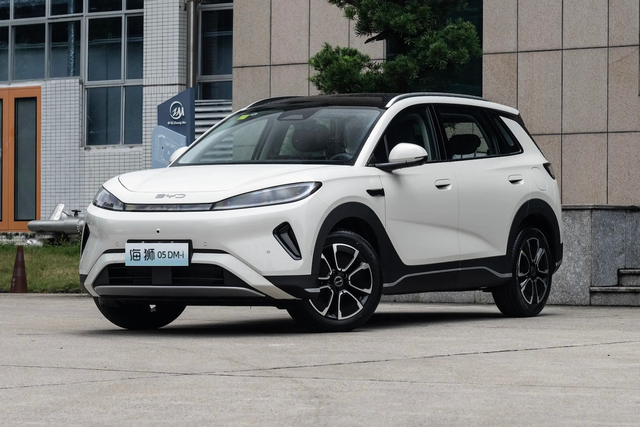
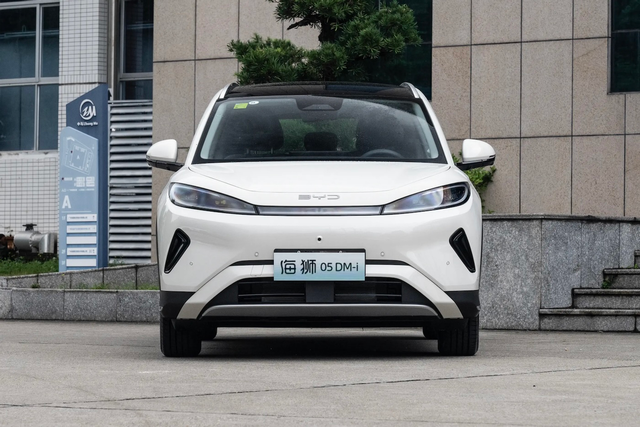
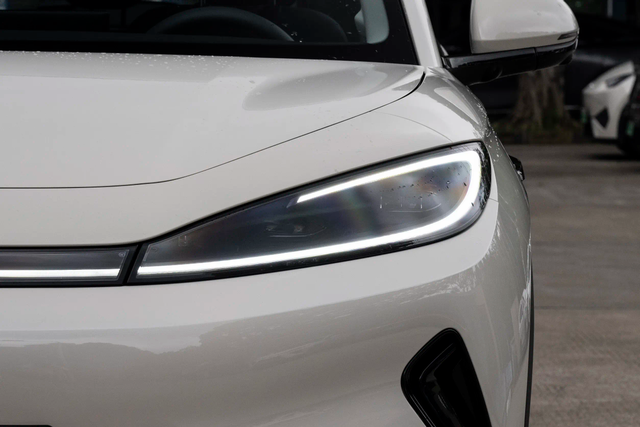
It might be an exaggeration to say the facelifted Seal 05 is a completely different car, but the first impression it gives has indeed drawn a clear line from the current model. What can be seen is that the previously somewhat rigid, flat three-section headlight cluster has been replaced by a more aggressive design. Apart from the central light strip connecting the left and right, the headlights on both ends feature a daytime running light ring, which reminds me of the style of some early AITO models. Meanwhile, the trapezoidal surround on the lower grille has become wider and more three-dimensional, along with an enlarged skid plate and a wide hood extension trim, giving the car a more agile and youthful look.
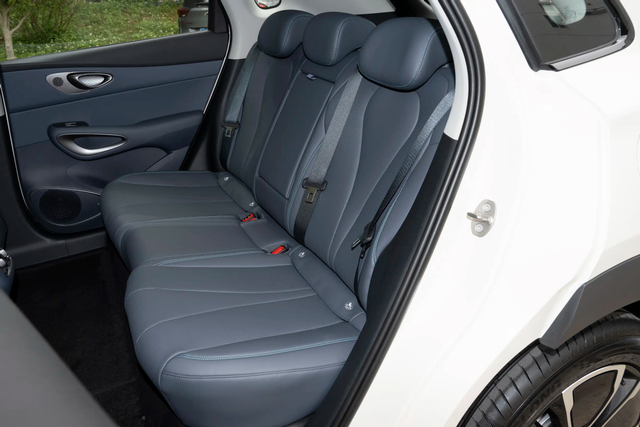
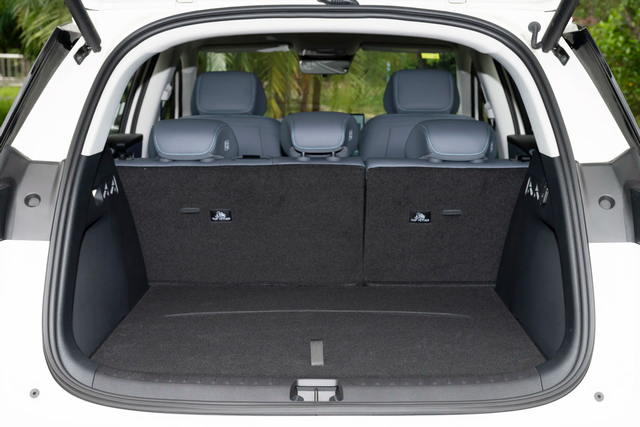
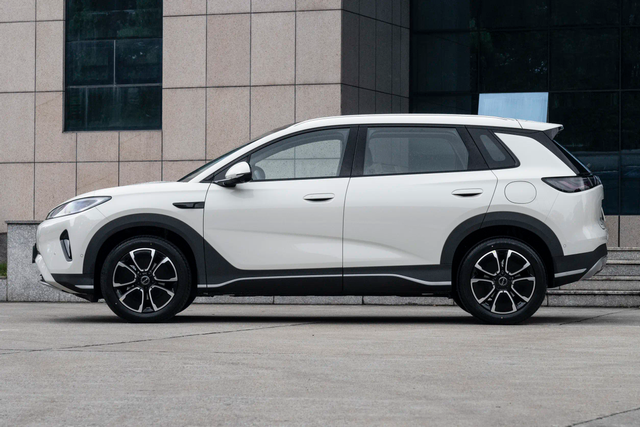
From the side profile, the Seal 05 appears more compact than before, largely due to significant changes in dimensions. The length/width/height of 4620/1860/1630mm and wheelbase of 2770mm are completely different from the old model, with length/width/height adjusted by -106/-20/-90mm respectively, but the wheelbase has increased by 58mm. It feels like the new car has shrunk in size, but with the longer wheelbase, the actual interior space seems to have increased rather than decreased.
Notably, even the beltline has changed from the current model's style. The front and rear segmented beltlines have transitioned from curved to straight designs. In addition to the 30° clear downward beltline, there are two other distinctive treatments: one is the connection between the side body and the rear at the D-pillar, and the other is the sloped surround formed by the front wheel arch and side skirt. Combined with the gradient anti-scuff strip, no one should say that BYD's Ocean design is just a copy-paste job.
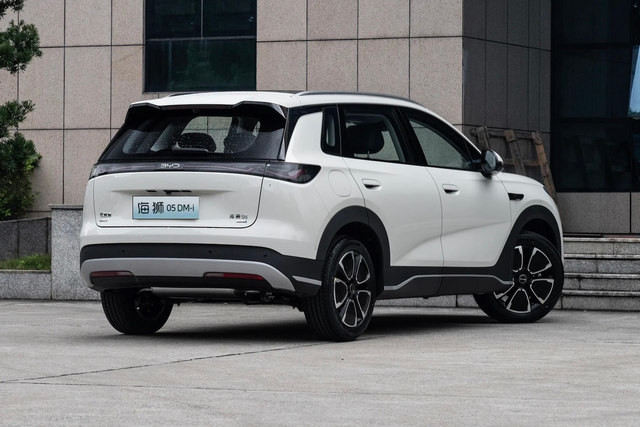
As for the rear, the top spoiler adopts a sporty shape with high ends and a low center. The through-type taillight is relatively conservative for the Ocean series, which is quite different from the design transformation seen on the other three sides. Of course, there is still a wide rear bumper sporty surround, so the so-called "hardcore" aspect is sufficient in the new car.
The same "extreme makeover" has also taken place in the cabin. The new car replaces the previous four-spoke steering wheel (same as the Seal) with a flat-bottom three-spoke design with an electronic column shifter. The one-piece metal trim makes it look more premium. Meanwhile, the glass-like piano black panel integrates the digital instrument cluster and wraps around structures like air vents. Combined with the simplified center console, the interior appears more mature and durable compared to the exterior's individuality.
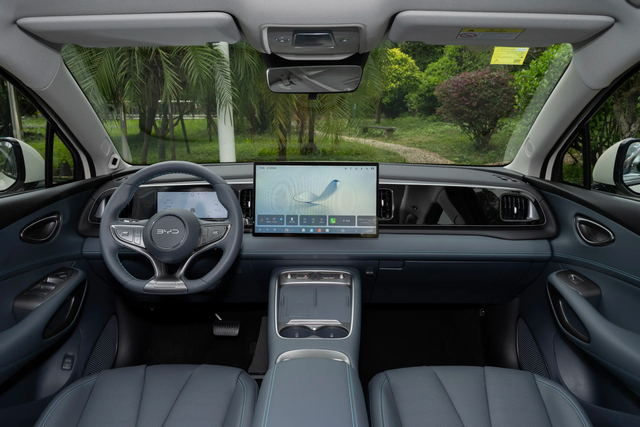
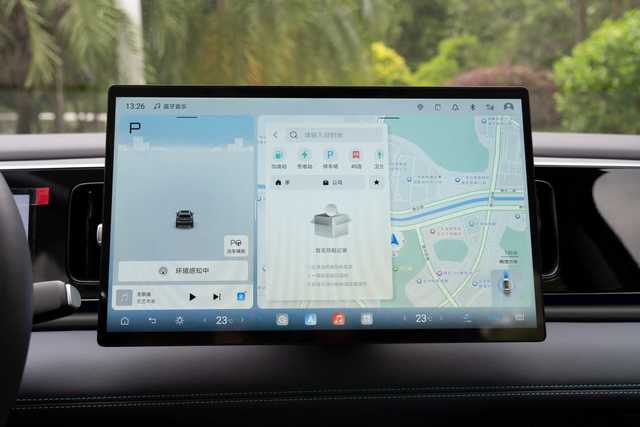
At the same time, the 15.6-inch touchscreen runs DiLink with a 6.0 version UI design, capable of displaying multiple card-style function interfaces simultaneously. Besides keeping up with current mainstream designs, it also works with four-zone voice interaction to ensure that navigation, multimedia, and intelligent driving assistance displays do not interfere with each other. Of course, in previous filing information, a version equipped with LiDAR has been revealed. If DiPilot 300 can be offered at this level, I think new energy startups might be sweating a bit. As for whether the final configuration can also offer advantages in pricing, we'll have to wait and see.
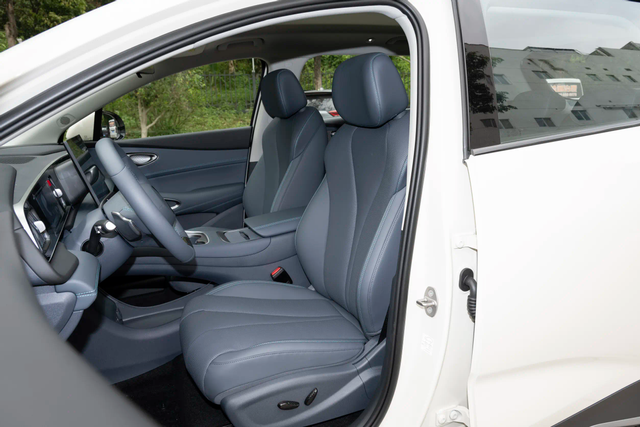
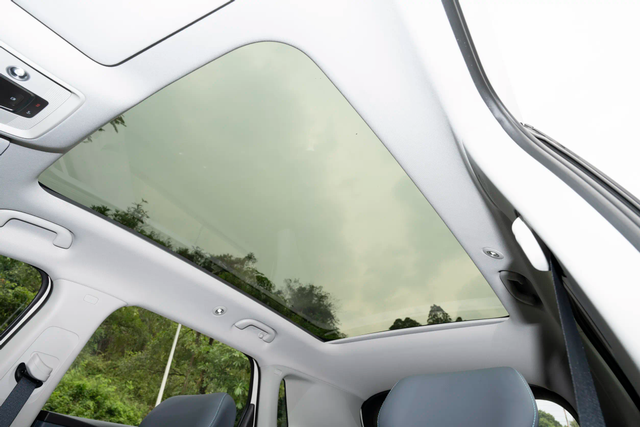
In terms of other features, front acoustic glass, a panoramic sunroof, ambient lighting, and dual-zone climate control will not be absent. Unfortunately, the seat functions are unlikely to see major breakthroughs, mainly limited to front seat heating/ventilation, which still lags behind some rivals from new startups. However, with the upgraded Yunian-C system, I believe it can still deliver solid and confident dynamic comfort.
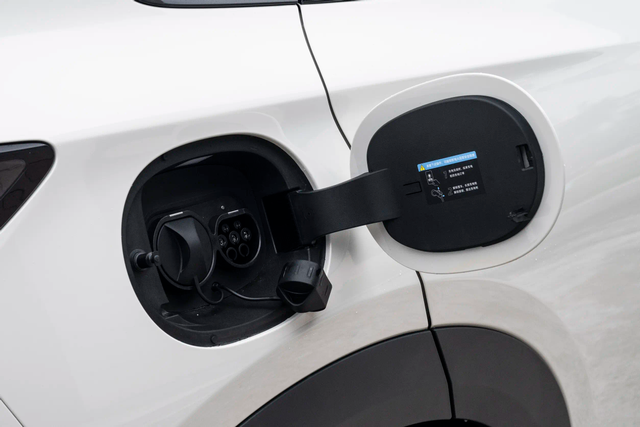
Compared to the unconfirmed interior features, the Seal 05 DM-i still uses the fifth-generation DM technology, with a 1.5L dedicated engine and EHS120 hybrid system. Although performance hasn't significantly improved, it is sufficient for most users. More importantly, the vehicle is equipped with a larger-capacity battery, achieving a CLTC combined range of over 2000km. Even without the "second-generation blade" and flash charging technology, such figures, combined with 20-minute 30-80% fast charging, should still eliminate range anxiety.
Final Thoughts
The facelift of the Seal 05 DM-i can be described as a "complete overhaul." It not only sheds the rigid exterior and extends the wheelbase but also undergoes a radical interior transformation. More importantly, the vehicle will not only receive DiPilot 300 but is also expected to achieve over 300km of pure electric range thanks to a larger battery. Even without the second-generation Blade Battery, with such comprehensive upgrades and solid three-electric performance, if the final pricing remains affordable, this once "lowest-profile" BYD SUV could become a new force among young users in the Ocean series.